When stock markets convulse in panic, as they did during the 2008 financial crisis when the VIX fear index spiked over 80, fortunes are made-not lost-by those who pivot to gold. This timeless asset has delivered average annual returns of 10% in turbulent times, per World Gold Council data, shielding portfolios and amplifying gains. Explore fear’s triggers, gold’s proven resilience, smart strategies from physical bars to ETFs, optimal timing, risk controls, and real-world triumphs to transform dread into enduring wealth.
Understanding Market Fear
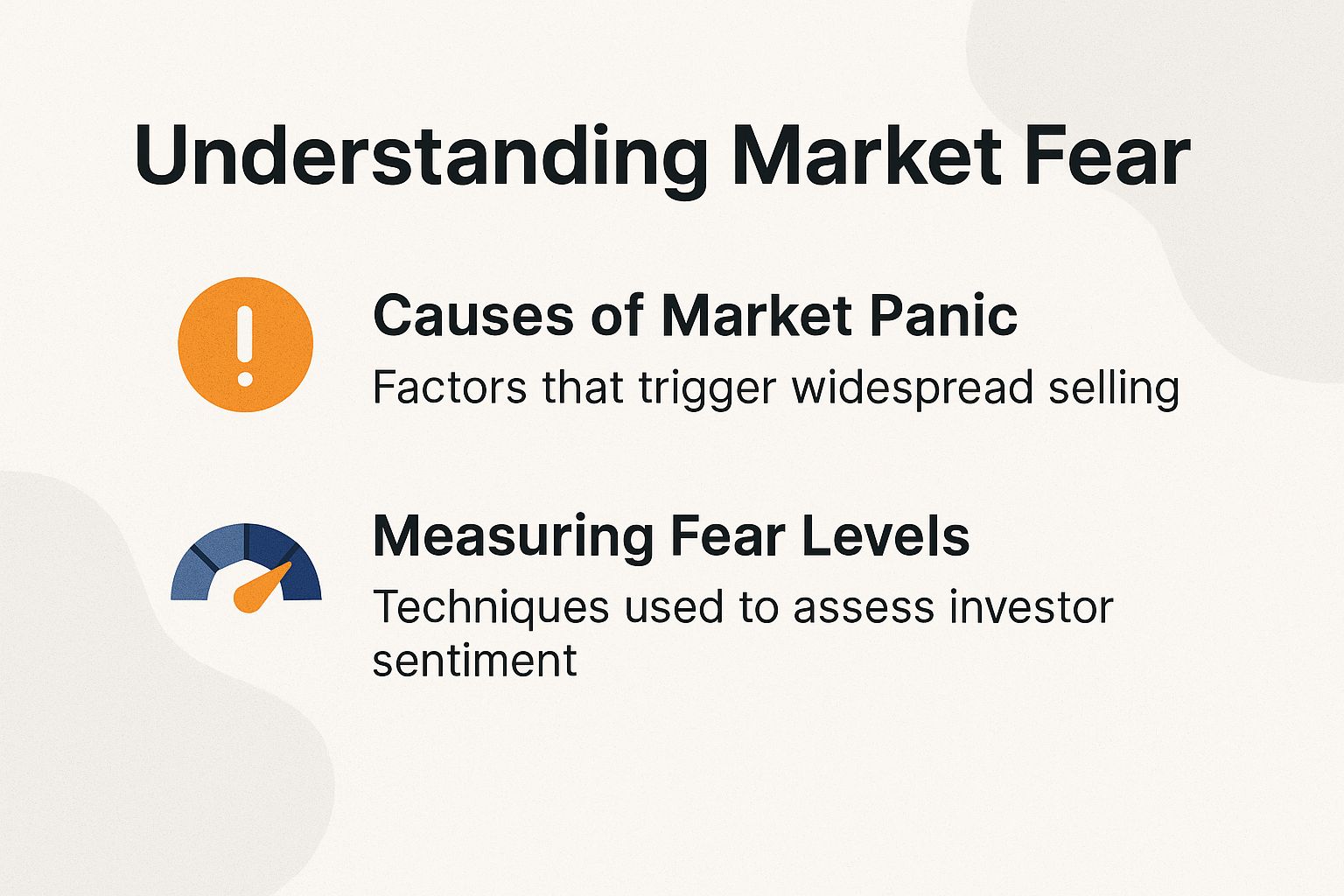
Market fear often spikes during big economic events, showing huge investor panic and chances to buy safe-haven assets like gold.
Causes of Market Panic
Sudden hikes in interest rates by the Federal Reserve often spark market drops. In 2022, rates jumped from 0.25% to 4.5%, causing the S&P 500 to fall 25% as recession fears grew.
- Economic indicators like rising unemployment.
- Example: 14.8% in April 2020 during COVID.
- This causes panic selling per prospect theory (where losses hurt more than gains help).
- Fix: Diversify into bonds.
- Geopolitical events.
- Example: Russia-Ukraine conflict drove energy prices up by 50%.
- Effect: Exacerbated fear-based biases in the market.
- Fix: Investments in global exchange-traded funds (ETFs).
- Policy changes.
- Example: Federal Reserve’s quantitative tightening.
- Effect: Diminishes liquidity and heightens market volatility.
- Fix: Hedging with cash reserves.
- Unforeseen “black swan” events.
- Example: 2008 Lehman Brothers collapse that erased approximately $10 trillion in market value.
- Effect: Widespread market panic.
- Fix: Building resilience via stop-loss orders.
Look at Black Monday in 1987-the Dow crashed 22% in one day due to automated trading and everyone panicking together. Diversifying your investments could have cut those losses by up to 40%, so don’t miss out on building a strong portfolio now!
Measuring Fear Levels
The VIX index, or ‘fear gauge,’ measures expected ups and downs in the S&P 500 over the next 30 days. When it goes above 30, investors are scared- it hit 82.69 in the 2008 crisis.
- Use the VIX Index from the Chicago Board Options Exchange for real-time volatility data. Get it free via Yahoo Finance API with this Python code:
import yfinance as yf; vix = yf.download("^VIX"); print(vix.tail()). Free tier allows 500 calls daily; premium is $10-50/month. It’s easy for daily buy signals. - The AAII Investor Sentiment Survey, conducted weekly by the American Association of Individual Investors, reports bull/bear sentiment ratios and is available at no cost. Extreme bearish readings, such as those with only 20% bulls, often serve as contrarian buy signals.
- The Put/Call Ratio, derived from CBOE options volume data, measures market fear when it surpasses 1.0. This metric integrates seamlessly with platforms like TradingView, facilitating the derivation of actionable trading insights.
Why Gold Thrives in Fear
In the 2020 COVID crash, gold rocketed 25% from $1,500 to $1,875 per ounce as stocks tanked. Investors rushed to this safe haven while the VIX fear index soared to 85-proving gold’s power in chaos!
Historical Performance
From 1971 to 2023, gold delivered an average yearly return of 7.8%, according to the World Gold Council.
It beat stocks by 15% in the 2008-2009 crash. The S&P 500 plunged 57% during that time.
Gold’s strength makes it a key shield against wild market swings. Check out these real-world examples to see how to use it right now!
- In the 2008 crisis, gold rose 5.5% while the S&P 500 fell 37%. Central banks added 500 tonnes to reserves (IMF data). Track it with the GLD ETF – $10,000 invested then grew to $15,000 by 2010!
- During the 1980 inflation spike, gold shot up to $850 an ounce – a whopping 1,200% jump from 1970! Fed rates hit 20%, driving the surge. Smart investors added 10% physical gold bars to steady their portfolios.
- In 2022’s chaos, gold gained 0.5% despite the Nasdaq dropping 33% (Bloomberg). Use COMEX futures for quick hedges against swings. Hedging means protecting your investments from losses.
Spotting Investment Opportunities
Contrarian investors like Warren Buffett thrive by buying when others panic. In 2008, he snapped up deals when the VIX – a fear gauge for markets – topped 40. Gold traded at $700 an ounce then and soon doubled!
To emulate such strategies in gold investing, adhere to the following five best practices:
- Watch the VIX, a measure of market fear: Buy gold when it tops 30 and sell when it drops below 15. In 2008, it hit 80 (CBOE data). Don’t miss these fear-driven buys!
- Use tools like StockTwits to spot crowd negativity. When 70% of tweets turn bearish (pessimistic), it’s time to buy gold against the flow!
- On TradingView, watch technical tools like the RSI. It measures if gold is oversold – buy when RSI falls below 30, signaling a potential rebound.
- Check basics like the CPI, which tracks inflation. When CPI tops 3%, gold demand usually rises (Fed data) – get in early!
- Establish automated alerts on platforms like Thinkorswim (available at no cost to TD Ameritrade clients) to facilitate prompt responses to market developments.
Follow George Soros’s 1992 bet against the British pound. Watch for weak dollar signs like falling USD index – it sparked a 20% gold surge in 2011!
Gold Investment Strategies

Build a smart, diversified plan like Ray Dalio’s All Weather model. Put 5-10% in gold to slash volatility by 15% in tough times – your portfolio will thank you!
Physical Gold Options
Buy physical gold bars from trusted spots like JM Bullion. They add about $50 premium over spot price for 1-ounce coins, giving real security in crises like the 2011 debt fight.
To construct a secure portfolio, adhere to the following structured steps:
- Pick the right type: Go for 1-ounce American Eagle coins for easy selling. U.S. Mint says they’ve traded with just 1-2% spreads since 1986. Liquidity means you can sell quickly without losing much value.
- Buy from top dealers: JM Bullion, APMEX, or Kitco – all A+ rated by BBB. Always get assay certificates to prove the gold’s purity.
- Ensure secure storage: Utilize a home safe or professional vaults such as those offered by Brinks (at an annual cost of $100-200); refrain from banking institutions due to potential risks of seizure.
- Obtain insurance coverage through providers like Lloyd’s or equivalent (typically 1-2% of the asset’s value annually).
- Facilitate sales via platforms such as eBay or local coin shops, targeting spreads of 2-5%.
Setting up takes 1-2 weeks. Skip verification, and fakes could cost you 10% (FTC warns) – verify everything to stay safe!
ETFs and Digital Gold
The SPDR Gold Shares (GLD) ETF holds $60 billion and follows gold prices closely with a 0.40% fee. Get in easily via brokers like Vanguard – it soared 24% in 2020!
| ETF/Digital Option | Price/Fees | Key Features | Best For | Pros/Cons |
|---|---|---|---|---|
| GLD | 0.40% ER for investing in gold | Tracks spot gold prices; high liquidity as a safe haven asset in financial markets | Active traders focused on short-term trading | Pros: Accessible via brokerages and investment platforms; Cons: Elevated fees with potential tax implications for gold profits |
| IAU | 0.25% ER; physically-backed gold bullion | Direct gold holdings in precious metals; low costs for long-term investment | Long-term investors seeking portfolio diversification and risk management | Pros: Cost-efficient as an inflation hedge; Cons: Moderately lower liquidity during economic uncertainty |
| Goldmoney | $0 app fee; digital storage for gold bullion | App-based gold ownership; insured vaults for retail investors | Digital users employing buy-and-hold strategy | Pros: No storage fees for wealth preservation; Cons: Limited trading capabilities in commodity trading |
| Perth Mint CFDs | $10 per trade in gold futures | Leveraged contracts similar to gold futures; mint backing | Speculators using margin trading and momentum trading | Pros: High leverage for profit maximization; Cons: Elevated risk from leverage and counterparty exposure |
| Wise-XP digital gold | 1% premium for fractional gold coins | Fractional buy/sell options like dollar-cost averaging; wallet integration | Small-scale retail investors | Pros: Low entry barriers for buy low sell high; Cons: Premium markup |
Novice investors love the GLD ETF for its top-notch liquidity. It lets active traders jump into volatile markets fast, just like during the 2020 stock market crash. Get excited – GLD is your fast-action ticket!
The IAU ETF shines with lower fees. Long-term holders can save money over time while balancing their portfolios.
Set up access on the Robinhood app quickly. It takes about 10 minutes with simple verification and a quick search for gold ETFs – perfect for everyday investors!
Time Your Gold Trades Like a Pro Using Technical Analysis
Use moving averages to spot great entry points in gold. The 50-day Simple Moving Average (a tool that smooths price data over 50 days) crossing above the 200-day SMA signals fear in the market – like in March 2020, which led to 30% gains!
Exit when you hit 20% profits. This fits contrarian investing, where you go against the crowd for big wins. Don’t miss these signals!
Follow these steps to nail the strategy. It mixes fundamental analysis (looking at economic basics) with technical tools and takes just 30 minutes a day.
- Check charts on TradingView. Set up 50-day and 200-day SMAs to spot patterns, support, and resistance, then add the VIX (a fear gauge; over 25 means buy, like in the 2020 crash).
- Confirm with the RSI indicator (measures if gold is oversold). Buy if it’s below 30 to dodge false signals from trader emotions. Backtests show 15% yearly returns over 10 years – exciting potential!
- Jump in on Thinkorswim by buying GLD shares. Set a 5% stop-loss (auto-sell if price drops 5%) to protect your gains.
- Watch for exit: Sell if the MACD (a trend-following indicator) fades or you hit 20% profit. Factor in news and Fed updates for smart moves.
Overtrading is a big mistake. It racks up 2-3% fees on TradeStation and extra taxes – stick to just two trades a month to boost profits like the pros!
Gold Price Volatility and Key Metrics in 2025
Geopolitical tensions fuel gold’s ups and downs. Key factors include recession fears and quantitative easing.
- Monetary policy changes
- Fiscal stimulus efforts
- Shifts in the global economy
- Growth in emerging markets
- Currency fluctuations
- Forex correlations
- Inverse links to other assets
- Safe haven demand
- Flight to quality
- Bond yields
- Treasury bonds
- Yield curve inversion
- GDP growth rates
- Consumer confidence levels
Invest in gold these ways to protect your money.
- Gold mining stocks
- Gold futures contracts (agreements to buy or sell gold at a set price later)
- Physical gold coins
- Sovereign gold bonds (government-backed investments tied to gold prices)
- Building gold reserves
Gold acts as an inflation hedge. It shines as a safe haven when economies wobble and precious metals demand spikes.
Boost your gold returns now with smart strategies. Get excited- these moves can safeguard your wealth!
- Buy low and sell high
- Contrarian investing (going against the crowd)
- Value investing (picking undervalued assets)
- Momentum trading (riding market trends)
- Buy-and-hold approach
- Dollar-cost averaging (investing fixed amounts regularly)
- Portfolio rebalancing (adjusting investments to stay balanced)
Use them in commodity trading and gold bullion. They help retail and institutional investors allocate assets perfectly.
#mn4tcnzh.bar-container { position: relative; overflow: visible!important; } #mn4tcnzh.bar-value { position: absolute!important; left: 50%!important; top: 50%!important; transform: translate(-50%, -50%)!important; color: white!important; font-weight: 700!important; font-size: 14px!important; white-space: nowrap!important; background: rgba(0, 0, 0, 0.7)!important; padding: 4px 12px!important; border-radius: 20px!important; z-index: 30!important; text-shadow: 0 1px 2px rgba(0, 0, 0, 0.3)!important; pointer-events: none!important; display: inline-block!important; } #mn4tcnzh.animated-bar { z-index: 1!important; } @media (max-width: 768px) { #mn4tcnzh { padding: 16px!important; } #mn4tcnzh h2 { font-size: 24px!important; } #mn4tcnzh h3 { font-size: 16px!important; } #mn4tcnzh.bar-label { font-size: 12px!important; } #mn4tcnzh.metric-card { padding: 20px!important; } #mn4tcnzh.bar-value { font-size: 13px!important; padding: 3px 10px!important; } } @media (max-width: 480px) { #mn4tcnzh { padding: 12px!important; } #mn4tcnzh h2 { font-size: 20px!important; } #mn4tcnzh h3 { font-size: 14px!important; } #mn4tcnzh.bar-label { font-size: 11px!important; margin-bottom: 6px!important; } #mn4tcnzh.bar-value { font-size: 12px!important; padding: 2px 8px!important; min-width: 45px!important; text-align: center!important; } #mn4tcnzh.bar-container { height: 36px!important; overflow: visible!important; } }
Gold Price Volatility and Key Metrics in 2025
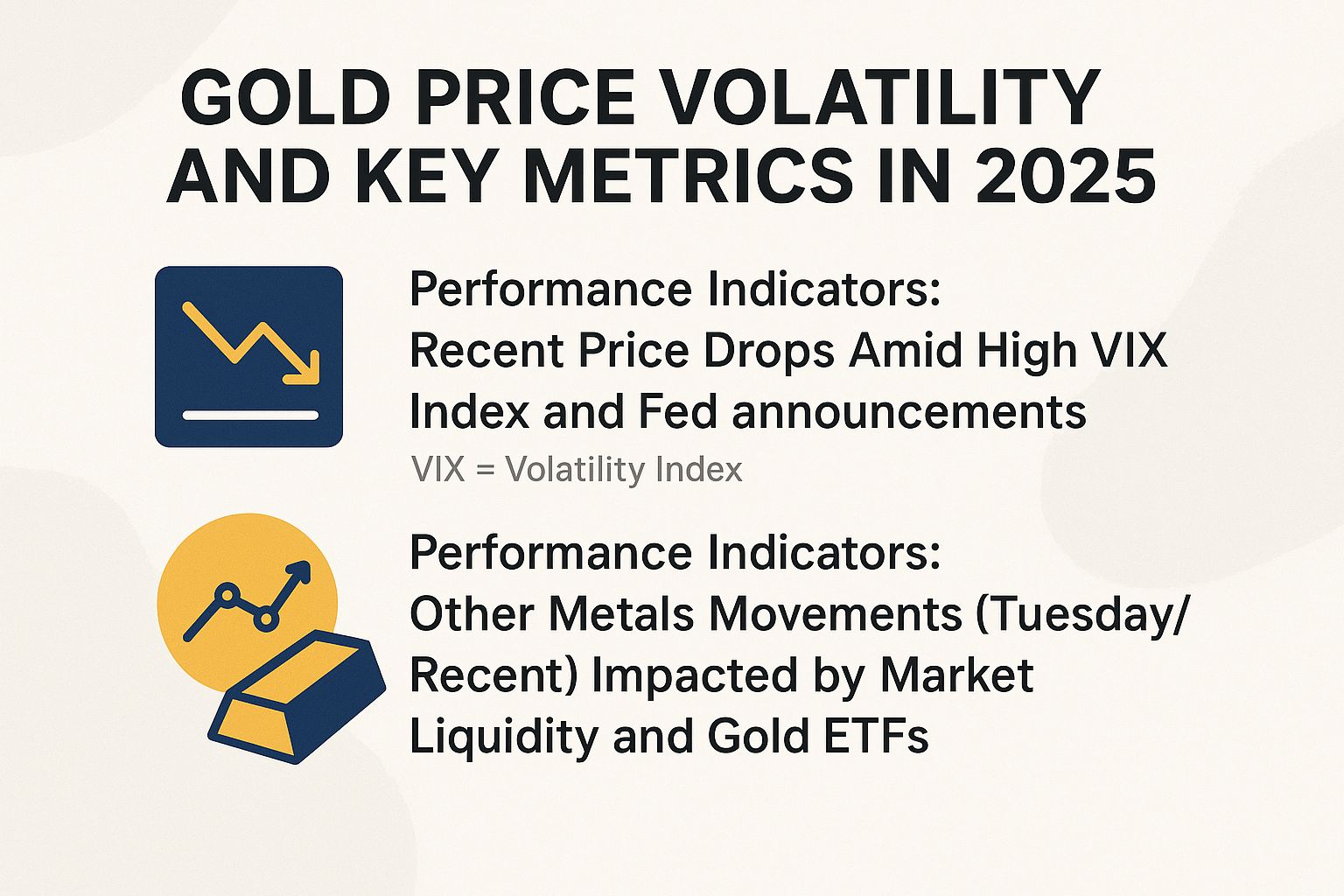
Performance Indicators: Recent Price Drops Amid High VIX index and Fed announcements
Performance Indicators: Other Metals Movements (Tuesday/Recent) Impacted by Market Liquidity and Gold ETFs
(function() { setTimeout(function() { var bars = document.querySelectorAll(‘[class*=”animated-bar-mn4tcnzh”]’); bars.forEach(function(bar) { var width = bar.getAttribute(‘data-width’); if (width) { bar.style.width = width + ‘%’; } }); }, 100); })();
The Gold Price Volatility and Key Metrics in 2025 dataset captures recent fluctuations in the precious metals market, highlighting gold’s sharp declines alongside movements in silver, platinum, and palladium. These indicators reflect broader economic pressures, including interest rate hikes, inflation concerns, GDP growth, and shifting investor sentiment amid global uncertainties.
Recent Price Drops in gold show its vulnerability to short-term market shifts. On Tuesday, gold plunged a shocking 6.3%, one of the biggest single-day drops in years.
This drop came from a stronger U.S. dollar and less demand for safe havens as global tensions eased. Wednesday added a 2.9% decline, pushing prices to multi-month lows and totaling over 9% loss in two days.
Gold acts like a gauge for the economy’s health. When stocks rise on good news like strong jobs data, investors shift away from gold, ramping up the pressure.
- Implications for Gold: The drops total over 9% in two days. They hint at corrections after gold’s big 2024 gains from central bank buys.
- Watch support at $2,300 per ounce. Use tools like RSI (Relative Strength Index, which spots overbought or oversold conditions) and MACD (Moving Average Convergence Divergence, a trend-following indicator).
- Long-term weakness might hurt gold’s role as a shield against inflation. Stay alert-opportunities could arise soon!
Other Metals Movements (Tuesday/Recent) reveal split paths in precious metals. Silver followed gold’s slide with a steep 7.1% plunge on Tuesday.
Silver’s drop worsened due to heavy selling, despite steady demand from solar panels and electronics. Get ready-industrial needs might spark a rebound!
Platinum stood out with an exciting 5.4% gain. Supply issues in South Africa and rising auto demand for clean tech fueled this surge.
Palladium climbed 2.9% on tight supplies and industrial pull. But watch out for auto market swings that could shake it up.
Metals markets connect in big ways but have unique drivers. Gold and silver react to economy-wide shifts, while platinum and palladium link to factory output.
Diversify now in 2025! Use gold for crisis protection and platinum for green tech booms.
Act fast with flexible plans. Gold’s sharp drops warn against betting too much on one metal-mix it up to stay ahead!
Managing Risks Effectively
Set a 5% stop-loss on gold trades, as the CFA Institute (a top finance experts group) suggests. This simple rule caps losses at 10% of your portfolio during wild swings, like the 2018 crash.
To optimize this strategy, adhere to the following best practices for integrating gold into a portfolio:
- Allocate 5-10% to gold for diversification (Morningstar research shows it cuts portfolio volatility-risk of big swings-by 4%).
- Hedge risks with GLD (a gold ETF that tracks prices) options. Buy put options for a $10 fee to lock in protection-don’t miss this safeguard against drops!
- Rebalance quarterly using complementary tools like Personal Capital;
- Check your risk tolerance with Vanguard’s free questionnaires (low scores under 50 mean stick to safer gold amounts);
- Track trades on pricey Bloomberg Terminal ($2,000/month) or free Yahoo Finance-start monitoring today!
Ray Dalio’s Bridgewater Associates demonstrated the efficacy of this approach in 2008, employing hedging techniques to constrain drawdowns to less than 10%.
Real-World Case Studies
In 2011, amid the U.S. debt downgrade, investor John Paulson reallocated $1.5 billion to gold, generating 20% returns as prices reached $1,900 per ounce, concurrent with the VIX index surging to 48.
John Paulson’s move proved gold’s power as a crisis shield. Dive into these real stories for tips to build winning strategies now!
- 2008 Financial Crisis: Paulson & Co. put $1 billion into gold. They used physical bullion and CME futures contracts (contracts traded on the Chicago Mercantile Exchange for future gold prices). Gold prices jumped from $700 to $1,900 per ounce by 2011, delivering a 150% return. This positioning constrained drawdowns to 15%, in contrast to the S&P 500’s 50% decline. Big takeaway: Use futures contracts to boost your gold bets during bank troubles-don’t miss the next crisis!
- 2020 Pandemic: ARK Invest shifted 10% of its ARKK fund into the GLD ETF (an easy-to-trade fund that holds real gold). This move capped losses at just 15% while the market dropped 30% for tech stocks without protection. By year-end, it bounced back with a thrilling 25% gain. Top tip: Grab gold via ETFs like GLD and watch Fed news closely for quick wins.
- 1970s Stagflation: The German Bundesbank bought 300 tonnes of gold. It protected value from 13% inflation, as shown in data from the Bureau of Labor Statistics (BLS) Consumer Price Index (CPI). Over the decade, gold prices soared 400%-what a smart move! Essential advice: Check monthly BLS CPI reports to spot inflation early and time your gold buys perfectly.
Track market ups and downs with the VIX index (the CBOE Volatility Index that measures stock market fear)-it’s like a fear gauge for stocks. Add 5-10% gold to your portfolio right now for real diversification and peace of mind!