
Thinking about making a gold purchase without the usual paperwork? You’re not alone – privacy around precious metals is getting harder to come by. Let’s look at what still works in 2025, and what’s quietly become a dead end. Whether you are a first-time buyer or a seasoned investor, understanding the gold market and the options for buying gold anonymously is essential.
The Short Answer: Anonymity Is Shrinking
If you’re wondering whether you can still buy gold without leaving a trace, the honest answer is that true anonymity has become increasingly difficult in today’s regulated market. The days of walking into a shop with a briefcase of cash and walking out with gold bullion are largely behind us. Financial privacy now comes with strings attached, and buyers must navigate a patchwork of rules that vary by country and transaction size. The price of gold, along with investor privacy concerns, often drives the desire for discreet purchases.
The regulatory landscape shifted dramatically after the USA PATRIOT Act and subsequent Anti-Money Laundering rules. Gold dealers now operate under strict Know Your Customer requirements, meaning they must verify buyer identity for most purchases. IRS reporting requirements also play a major role, forcing dealers to file paperwork on certain cash transactions and specific gold products. These overlapping rules have created a system where anonymity exists only in narrow, well-defined windows. For example, the IRS requires Form 8300 for cash transactions exceeding the cash threshold, and certain gold products like Gold Eagles and Canadian Maple Leafs may be reported on Form 1099-B.
That said, some options still offer meaningful privacy, but they come with real trade-offs. You might find a local coin shop willing to accept a cash transaction below reporting thresholds, yet you will likely pay a higher premium. Private sales between individuals can work, but they carry risks like counterfeit products and legal complications. Digital gold platforms offer convenience but almost always require full identity verification, making them the least anonymous choice. For those seeking a gold investment, physical gold in the form of gold coins or gold bars from reputable dealers remains a popular route, while digital gold offers a modern alternative.
The key takeaway is that buying gold anonymously in 2025 requires careful planning and a willingness to accept limitations. Whether you are buying gold coins, gold bars, or other precious metals, each method has its own balance of privacy, cost, and risk. The sections ahead will explore every avenue critically, from cash transactions at local shops to private sales and offshore options, so you can decide which approach fits your needs. Remember that legal compliance, including tax implications and capital gains tax on your tax return, is crucial to avoid legal risks.
Gold Buying Statistics 2025
When considering an anonymous purchase, you must weigh the benefits against potential resale difficulty and security risks. Always choose secure payment methods and consider private storage for your physical gold. Many investors diversify their portfolios with gold to hedge against inflation, but they must also be aware of dealer compliance and transaction reporting. In countries like Germany, Switzerland, Austria, France, the United Kingdom, the United States, Canada, Australia, and the European Union, regulations vary, and the London Bullion Market Association sets standards for the gold market. Government mints produce coins like the American Gold Eagle and Canadian Maple Leaf, which are popular among buyers. Reputable dealers such as StoneX Bullion, First National Bullion, and Summit Metals can help you navigate these complexities.
#setod2bh.bar-container { position: relative; overflow: visible!important; } #setod2bh.bar-value { position: absolute!important; left: 50%!important; top: 50%!important; transform: translate(-50%, -50%)!important; color: white!important; font-weight: 700!important; font-size: 14px!important; white-space: nowrap!important; background: rgba(0, 0, 0, 0.7)!important; padding: 4px 12px!important; border-radius: 20px!important; z-index: 30!important; text-shadow: 0 1px 2px rgba(0, 0, 0, 0.3)!important; pointer-events: none!important; display: inline-block!important; } #setod2bh.animated-bar { z-index: 1!important; } @media (max-width: 768px) { #setod2bh { padding: 16px!important; } #setod2bh h2 { font-size: 24px!important; } #setod2bh h4 { font-size: 16px!important; } #setod2bh.bar-label { font-size: 12px!important; } #setod2bh.metric-card { padding: 20px!important; } #setod2bh.bar-value { font-size: 13px!important; padding: 3px 10px!important; } } @media (max-width: 480px) { #setod2bh { padding: 12px!important; } #setod2bh h2 { font-size: 20px!important; } #setod2bh h4 { font-size: 14px!important; } #setod2bh.bar-label { font-size: 11px!important; margin-bottom: 6px!important; } #setod2bh.bar-value { font-size: 12px!important; padding: 2px 8px!important; min-width: 45px!important; text-align: center!important; } #setod2bh.bar-container { height: 36px!important; overflow: visible!important; } }
Gold Buying Statistics 2025
Central Bank Gold Purchases October 2025: Net Purchases by Country (tonnes)
Central Bank Gold Purchases October 2025: Year-to-Date Net Purchases by Country (tonnes)
Central Bank Gold Reserves and Allocations: Gold Reserves and Allocations
Central Bank Gold Buying Trends: Key Statistics
Gold Price and Market Statistics: Gold Price Targets (USD per ounce)
(function() { setTimeout(function() { var bars = document.querySelectorAll(‘[class*=”animated-bar-setod2bh”]’); bars.forEach(function(bar) { var width = bar.getAttribute(‘data-width’); if (width) { bar.style.width = width + ‘%’; } }); }, 100); })();
The Gold Buying Statistics 2025 reveal significant central bank activity. This highlights a strategic shift towards gold as a reserve asset, a trend observed in Germany, Switzerland, Austria, France, and the United Kingdom. In October 2025, the National Bank of Poland and the Central Bank of Brazil led monthly net purchases, each acquiring 16 tonnes. Other significant buyers were in the United States, Canada, Australia, and the European Union. This was followed by Uzbekistan (9 tonnes), Indonesia (4 tonnes), and Turkey (3 tonnes). Smaller purchases were made by the Czech Republic, Kyrgyz Republic, Ghana, China, Kazakhstan, and the Philippines (1-2 tonnes each). Notably, Russia reported a net decline of 3 tonnes, indicating a strategic pause or sale.
Year-to-date data shows Poland as the most aggressive buyer, accumulating 83 tonnes, followed by Kazakhstan with 41 tonnes. The London Bullion Market Association continues to set global benchmarks. Sustained buying underscores a global trend of diversification away from dollar-denominated assets. Geopolitical uncertainty and inflation hedging drive this shift.
- Reserves and Allocations: Poland’s total reserves now stand at 531 tonnes, representing 26% of its total reserves. This high allocation indicates confidence in gold’s stability, a sentiment echoed by institutions like StoneX Bullion and First National Bullion. Brazil holds 161 tonnes (6% of reserves), while Russia maintains a massive 2,327 tonnes. Summit Metals reports similar trends among private investors. Serbia aims to double its holdings from 52 tonnes to 100 tonnes by 2030. This reflects a long-term accumulation strategy.
- Buying Trends: Monthly net purchases totaled 53 tonnes in October. Year-to-date purchases reached 254 tonnes. H1 2025 saw 415 tonnes purchased, down from 525 tonnes in H1 2024. This indicates a slight cooling but still robust demand.
- Price Targets: Analysts project gold prices to hit $4,200 per ounce by 2026 and $5,000 by 2028. Continued central bank buying, fiscal deficits, and geopolitical instability drive this forecast.
Central banks are prioritizing gold as a safe-haven asset. This ensures financial security amid global economic volatility.
Why Traditional Gold Purchases Leave a Paper Trail
Most people buy gold through established channels, local coin shops, online dealers, or banks. Each of these routes inherently creates a record of who you are and what you bought. This is not an accident. It is the direct result of financial regulations designed to combat money laundering and tax evasion.
Dealers and financial institutions operate under strict legal obligations. The Know Your Customer (KYC) and Anti-Money Laundering (AML) frameworks, reinforced by the USA PATRIOT Act, require them to verify identities and report suspicious behavior. Payment methods like credit cards and bank wires are traceable by design. They leave a digital trail that connects your bank account to the gold dealer.
For anyone seeking a gold anonymous purchase, understanding this paper trail is the first step. It explains why privacy is difficult, but not impossible, to achieve in the modern gold market.
KYC Regulations at Dealers and Banks
When you walk into a reputable dealer or open an account with a bullion bank, you’ll be asked for government-issued ID, proof of address, and sometimes even a social security number. This process is standard practice under Know Your Customer rules, which require businesses to establish who you are before completing a transaction.
The legal foundation for these obligations was significantly strengthened by the USA PATRIOT Act, which expanded AML requirements across the financial sector. This legislation made it mandatory for gold dealers to implement formal compliance programs. They must screen customers, keep records, and report any activity that looks suspicious to authorities.
For cash purchases over $10,000, dealers must file IRS Form 8300. This form records the buyer’s name and address, a requirement enforced by the IRS. This is a firm reporting requirement that applies to gold coins, gold bars, and other precious metals. It is not optional for compliant dealers, and failure to file can result in severe penalties. Even transactions structured to avoid this cash threshold can trigger scrutiny if a dealer suspects the buyer is deliberately splitting payments.
Credit Card and Bank Wire Payment Records

Using a credit card or bank wire for your gold purchase is convenient. However, it also creates a digital fingerprint that connects your identity to the transaction. Credit card transactions are recorded by the card issuer and the dealer. Bank wires involve both the sending and receiving institutions. Every party in that chain maintains a log of the details.
These payment methods are the least anonymous options available to buyers. The records they generate are accessible to law enforcement and tax agencies under certain conditions. Some dealers may issue Form 1099-B for certain sales. This form goes directly to the IRS and documents the proceeds from your gold investment.
If financial privacy is a priority, experts recommend avoiding these traceable channels. Cash transactions at local coin shops offer more discretion, but they still trigger reporting thresholds. For those wondering how to buy gold anonymously, the choice of payment method is often the deciding factor in how much information becomes public record.
Cash Purchases: The Last True Anonymous Option
Cash remains the only payment method that doesn’t inherently tie your name to a purchase. It’s not as simple as walking in with a wad of bills. When you pay with a credit card, bank transfer, or even a personal check, a digital trail connects the transaction directly to your identity. Physical cash, on the other hand, leaves no such automatic record.
This makes cash the preferred choice for buyers who prioritize investor privacy and financial privacy in their gold purchase. The Internal Revenue Service monitors large transactions. The government has established clear reporting requirements that limit just how anonymous a cash gold purchase can be. Both the IRS and FinCEN monitor large cash transactions at gold dealers to combat money laundering and tax evasion.
Understanding these rules is essential before you attempt to buy gold bullion or gold coins with cash. The legal framework does not prohibit cash purchases, but it does create a paper trail at certain cash thresholds. Knowing where those lines are drawn helps you stay compliant while preserving as much buyer identity privacy as possible.
Legal Thresholds and Reporting Requirements
In the United States, any cash payment over $10,000 to a single dealer in one transaction, or a series of related transactions, triggers mandatory reporting by the dealer. This rule applies specifically to cash, not to checks, wires, or other payment methods. The dealer must file IRS Form 8300. This form discloses both the transaction details and the buyer’s identity to the government, a requirement under the USA PATRIOT Act.
The $10,000 cash threshold is a firm legal boundary, not a suggestion. It applies to any combination of related purchases that total more than $10,000 within a short period, even if split across multiple visits. Dealer compliance with this rule is strict, and reputable gold dealers will not bend it for convenience.
Attempting to structure payments to stay under the reporting threshold is a serious offense. Splitting a $20,000 purchase into two $9,000 cash payments to avoid IRS Form 8300 is illegal, even if the dealer agrees to it. This practice, known as structuring, can lead to criminal charges, asset forfeiture, and significant legal risks.
Dealers may voluntarily report smaller cash transactions if they suspect money laundering or other suspicious activity. Anti-Money Laundering regulations encourage gold dealers to file suspicious activity reports even below the $10,000 threshold. This means a dealer’s judgment can override your expectation of privacy in certain situations.
Finding Dealers Who Accept Large Cash Transactions
Not every dealer is willing or able to accept large cash payments. You’ll need to do some legwork to find those that do. Local coin shops are often the most accommodating. They tend to have more flexibility than large national chains. Many of these smaller operations have established relationships with regular customers and understand the demand for discreet purchases.
Start by calling ahead and asking directly about their cash policies. Some gold dealers cap cash transactions well below the $10,000 reporting threshold simply to reduce their own administrative burden. Others may require Know Your Customer documentation for any purchase, regardless of size, as a matter of store policy.
Building a relationship with a reputable dealer over time can make cash transactions smoother. Dealers who know you and understand your purchasing patterns are more likely to accommodate larger cash payments. Always ask about their policies upfront to avoid wasting time or creating awkward situations at the counter.
When searching for a dealer, prioritize reputation over convenience. The gold market attracts some unscrupulous operators, and counterfeit products are a real concern. Buying gold coins like American Gold Eagle or Canadian Maple Leaf from an unknown source without proper verification can lead to resale difficulty and security risks. A trusted dealer with a physical storefront offers both consumer protection and fair pricing on gold products.
Cryptocurrency and Gold: A Partial Solution

Cryptocurrency offers a middle ground for privacy-conscious buyers. It’s not a silver bullet for anonymity. Using digital assets to buy gold removes traditional banks from the equation, which appeals to investors who value financial privacy. Crypto transactions operate on decentralized networks, so they don’t require a bank account or a credit check.
The appeal of crypto for a gold purchase lies in its pseudonymous nature. This does not exempt you from tax reporting obligations such as Form 1099-B when you sell your gold for a profit. Your wallet address serves as your identifier, not your legal name. This can feel liberating compared to wire transfers or credit card payments that expose your personal details to multiple parties.
Most gold dealers still enforce Know Your Customer rules even when accepting cryptocurrency. Dealers must comply with Anti-Money Laundering regulations, which means they often request identification before completing a sale. This includes compliance with the USA PATRIOT Act and other federal requirements. The crypto payment may be private, but the dealer’s compliance obligations remain intact.
Think of crypto as a privacy enhancement, not a guarantee. It adds a layer of separation between your bank account and the gold dealer. Yet the dealer’s records will still connect your identity to the transaction if they require verification during the checkout process.
Buying Gold with Privacy Coins (Monero, Zcash)
Privacy coins like Monero and Zcash are designed to obscure transaction details, making them a natural fit for those seeking discreet purchases. Monero uses ring signatures and stealth addresses to hide the sender, receiver, and amount. Zcash offers shielded transactions that encrypt the same details on its blockchain.
These features make privacy coins attractive for buying gold coins or gold bars without leaving a transparent digital trail. Remember that even with privacy coins, the dealer may still require Know Your Customer documentation. Unlike Bitcoin, where transactions are publicly visible, privacy coins break the link between wallet addresses. Coins like Monero and Zcash are popular for this reason, but even they may not protect you from dealer Know Your Customer checks. For investors concerned about surveillance, this is a significant advantage, especially for those in Germany, Switzerland, Austria, France, and the United Kingdom where privacy laws vary.
But here is the reality: only a limited number of gold dealers accept privacy coins. Most reputable dealers, such as StoneX Bullion, First National Bullion, and Summit Metals, stick to Bitcoin, Ethereum, or stablecoins due to regulatory pressure. The dealers who do accept Monero or Zcash often operate in niche markets with smaller inventories.
Even when a dealer accepts privacy coins, they may still require ID for compliance. The dealer’s payment processing system will record the transaction details, including your IP address and account information. Your privacy is relative, not absolute, and the dealer’s internal records can still link you to the purchase.
The Catch: Physical Delivery Still Requires Identification
Even if you pay with crypto, the moment you want physical gold delivered to your door, you’ll likely have to verify your identity for shipping and insurance purposes. Shipping companies require a recipient name and a physical address to route the package. This is true in the United States, Canada, Australia, and other countries. Without this information, the delivery cannot occur.
Gold dealers face legal obligations under Anti-Money Laundering rules for physical shipments. In the United States, dealers must report certain cash transactions using Form 8300 to the IRS. They must maintain records of who receives precious metals to prevent illicit activity. This means your name, address, and sometimes a government ID become part of the shipping manifest.
One alternative is in-person pickup at a dealer’s location. You can walk into a local coin shop, pay with crypto, and leave with your gold bullion. However, this approach may still trigger ID checks, especially for purchases above certain amounts. In the European Union, for example, dealers are required to verify identity for transactions over a certain threshold.
Dealers often have reporting requirements for larger transactions. Cash transactions over a set threshold, or any purchase that seems unusual, can prompt additional scrutiny. The anonymity of your payment method does not extend to the delivery chain. Plan accordingly if discretion is your priority.
Gold-Backed Tokens and Digital Gold
Gold-backed tokens and digital gold platforms promise convenience without physical storage, but they come with privacy trade-offs. These products represent ownership of physical gold held in secure vaults, often managed by reputable custodians. Investors can buy and sell fractions of a gold bar or coin through an app or exchange, making gold investment accessible to a broader audience.
The appeal is clear. You avoid the hassle of arranging private storage or worrying about the security risks of holding bullion at home. Transactions can be executed quickly. Some platforms allow you to redeem your tokens for physical gold if you ever want delivery. This blend of modern convenience and traditional asset value has made digital gold a popular choice for portfolio diversification.
However, the digital nature of these products introduces a fundamental conflict with the goal of an anonymous purchase. Every interaction, from funding your account to moving tokens, leaves a digital footprint. For those seeking financial privacy, this can be a significant drawback. Compare this to a cash transaction at a local coin shop.
Before choosing this route, consider what buyer identity verification looks like on the platform. Most reputable services require full Know Your Customer documentation, similar to opening a bank account. This means your personal information is linked to your gold holdings. This link starts from the very beginning.
Blockchain Transparency vs. Privacy
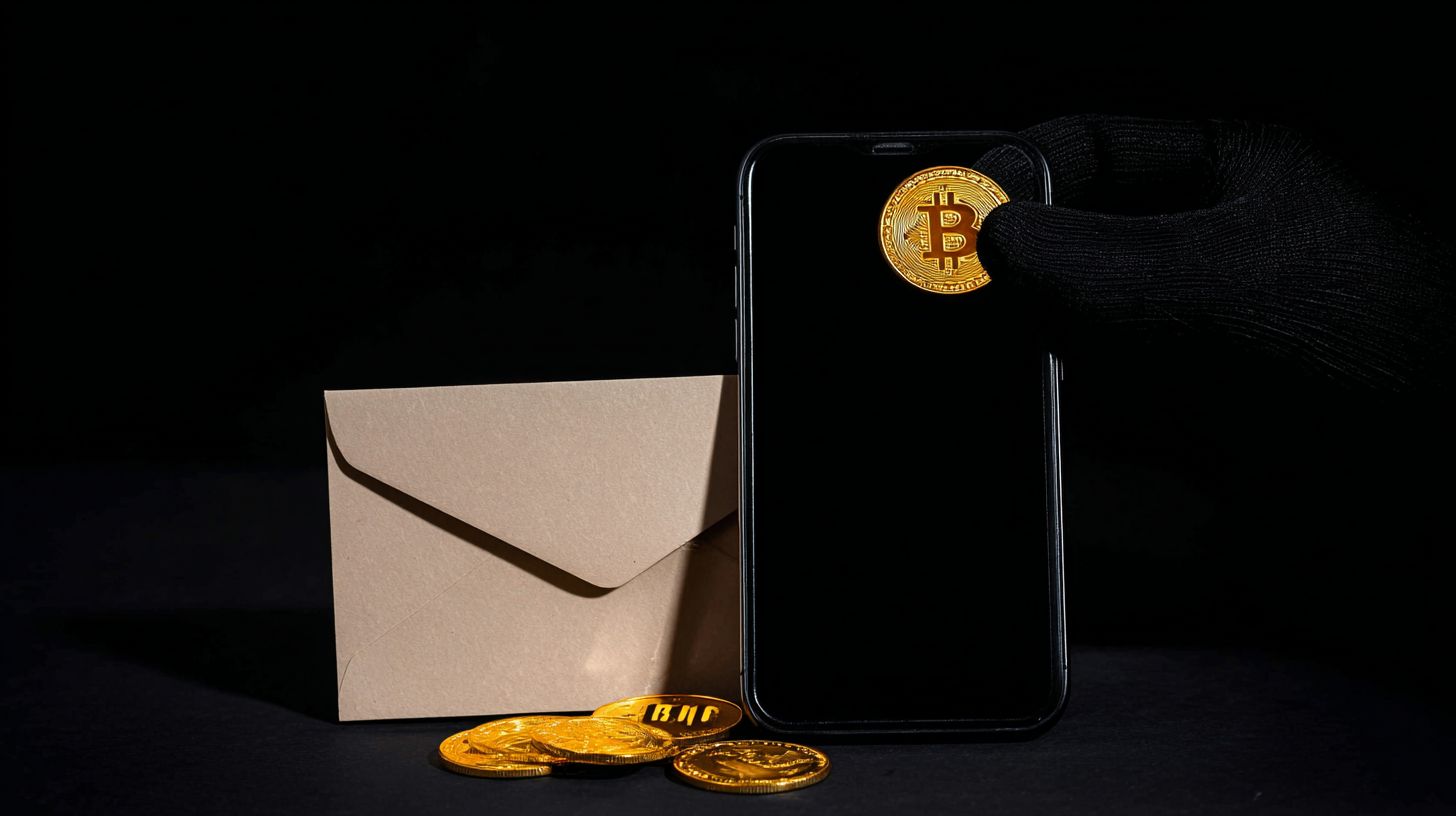
Blockchain technology is often praised for its transparency-but that transparency is the enemy of privacy. Most blockchains are public ledgers, so any transaction involving gold-backed tokens is visible to anyone who cares to look. Wallet addresses, transaction amounts, and timestamps are permanently recorded. They are also traceable.
Even if you take steps to use a new or anonymous wallet, the exchange or platform that converts your fiat to tokens will have your identity. This creates a link between your real-world persona and your blockchain activity. Anti-Money Laundering regulations require these platforms to collect and store your personal details. These details can be shared with authorities upon request.
Some platforms, particularly those partnered with the London Bullion Market Association, may follow strict compliance protocols. These partnerships signal legitimacy and consumer protection, but they also mean enhanced dealer compliance and reporting requirements, including the obligation to report certain transactions to the Internal Revenue Service. The trade-off is that your gold purchase is fully documented. This leaves little room for discreet purchases.
If privacy is your priority, digital gold may not be the best fit. The transparency of the blockchain, combined with mandatory identity checks, makes it nearly impossible to achieve true anonymity. The IRS requires reporting of certain transactions via Form 1099-B. For investors who value privacy above all else, traditional methods like private sales or cash purchases from reputable dealers might offer a better path. Even these methods have their own complexities.
Peer-to-Peer and Private Sales
Buying gold directly from another individual, whether through a classified ad, a local meetup, or a private referral, can bypass dealer reporting requirements entirely. This is the closest you can get to a truly anonymous purchase of physical gold. No Know Your Customer checks, no IRS Form 1099-B, and no digital trail linking your identity to the gold bullion. However, in some jurisdictions, cash purchases over a certain threshold may still trigger reporting requirements under the USA PATRIOT Act.
However, this level of financial privacy comes with significant trade-offs. The most obvious risk is counterfeit products. Unlike reputable dealers who source from government mints, a private seller may offer gold coins or gold bars that are fake, plated, or filled with tungsten. Without proper verification, you could lose your entire investment.
Consumer protection is essentially nonexistent in these cash transactions. If the deal goes wrong, you have no recourse through a bank or payment processor. Legal risks also exist if the seller is not reputable, as you could unknowingly participate in a transaction tied to stolen goods or other illicit activity.
If you choose this route, experts recommend meeting in safe, public places, such as a police station lobby or a bank branch. Bring a magnet to test the gold products, as genuine gold is not magnetic. For coins like the American Gold Eagle or the Canadian Maple Leaf, verify their weight and dimensions against official specifications.
Consider getting a professional appraisal from a certified expert before finalizing the purchase, even if it costs a small fee. Ensure the gold products are genuine, especially if they are Gold Eagles or Canadian Maple Leafs. This step adds a layer of protection against buying fakes. Keep in mind that resale may be harder without provenance. Future buyers may be wary of gold that lacks a documented history from a known source.
Risks of “Anonymous” Gold Purchases
Pursuing anonymity in gold purchases isn’t without its dangers. Ignoring these risks could cost you far more than the premium you save. The most immediate threat is counterfeit products. Even well-known coins like the American Gold Eagle and the Canadian Maple Leaf are often counterfeited, so always verify authenticity. When you buy from unvetted sellers on classified sites or social media, you have no guarantee the gold bullion is genuine, and fake gold bars and coins are increasingly sophisticated.
The legal exposure extends beyond fakes. If you inadvertently buy stolen goods from a private seller, you could face legal risks and lose both your money and the precious metals. Law enforcement may seize the gold as evidence, and proving your innocent intent can be a lengthy, expensive process. Legal compliance matters even in private sales, as the obligation to verify legitimate ownership often falls on the buyer.
Resale difficulty is another hidden cost. Without receipts, certificates of authenticity, or a verifiable chain of custody, most gold dealers will discount your gold heavily or refuse to buy it outright. This is why the London Bullion Market Association emphasizes the importance of provenance in the gold market. Reputable dealers rely on documentation to protect themselves, so your anonymous purchase becomes nearly worthless when you try to liquidate it.
Personal safety is the final, and often overlooked, concern. Meeting strangers for cash transactions involving gold coins or gold bars puts you at risk of theft or worse. Cash transactions leave no paper trail, which means no recourse if something goes wrong. The anonymity you sought becomes a liability when you have no way to report or recover your loss.
Consider the contrast with regulated channels. While reputable dealers must follow Know Your Customer (KYC) and Anti-Money Laundering (AML) rules, which are reinforced by the USA PATRIOT Act, they offer consumer protection and authenticity guarantees that private sales simply cannot match. The reporting requirements that frustrate privacy seekers are the same mechanisms that verify the gold’s purity, weight, and legal origin. A gold purchase from a licensed dealer includes a warranty, buyback options, and recourse if the product is defective.
Balancing investor privacy with security requires a pragmatic approach. You can minimize your footprint without diving into risky anonymous deals by using secure payment methods like bank transfers instead of cash. Discreet purchases from established dealers, even with reporting thresholds, still protect your identity from the broader public while keeping you within legal compliance. The price of gold is high enough without adding the hidden costs of fraud, theft, or unsellable inventory.
Practical Tips for Maximizing Privacy in 2025
If you’ve weighed the risks and still want to maximize your privacy, there are legitimate strategies that don’t involve breaking the law. The key is to understand the rules that apply to gold purchases and work within them. Smart investors know that privacy and legal compliance can coexist when approached with careful planning.
Start with cash transactions at local coin shops for smaller purchases. The cash threshold for reporting sits at $10,000 (as per IRS Form 8300), but many dealers voluntarily report transactions over $3,000. Never attempt to structure payments to evade reporting requirements. Structuring cash purchases to stay under the radar is a federal offense, even if each individual transaction is legal on its own.
- Use cash for purchases under the reporting threshold, but never split a large purchase into smaller amounts to avoid detection. This practice, called structuring, carries serious legal consequences.
- Consider buying from smaller, reputable dealers who may have more flexible policies regarding customer information. Local coin shops often have relationships with regular buyers and may offer more discretion than large online retailers.
- Use a post-office box or private mailbox for deliveries of physical gold. This keeps your home address off shipping records and away from prying eyes.
- Store gold in a private vault or safe deposit box under a business entity. This adds a layer of separation between your personal identity and your gold holdings.
- Keep documentation in a secure, private location. Purchase receipts and certificates of authenticity are essential for future sales, but they don’t need to be accessible to anyone but you.
- Consult a tax professional to understand reporting obligations for your specific situation. Capital gains tax applies when you sell gold for more than you paid, and your tax return must reflect those gains accurately.
When buying gold coins like Gold Eagles or Canadian Maple Leafs, remember that government mints produce these products with specific design features. Buying from reputable dealers reduces the risk of counterfeit products while still allowing for discreet purchases. The price of gold fluctuates daily, influenced by global markets, so timing your purchase matters for your overall gold investment strategy.
Payment methods also affect your privacy level. Bank transfers leave a clear paper trail, while cash offers more anonymity. However, secure payment options that protect buyer identity are limited in the gold market. Digital gold platforms typically have stricter Know Your Customer requirements than physical dealers, so weigh your priorities carefully.
Private sales between individuals exist, but they carry significant risks. You lose consumer protection, face potential resale difficulty, and have no recourse if the gold turns out to be counterfeit. Legal compliance should always outweigh the desire for complete anonymity. The Anti-Money Laundering rules that govern gold dealers exist for good reason, and working within those boundaries keeps your gold investment safe and legitimate.
Final Verdict: Is True Anonymity Achievable?
So, can you truly buy gold anonymously in 2025? The answer is nuanced: yes, but with significant caveats. Cash purchases under the reporting threshold and private sales from individuals offer the closest thing to financial privacy in the gold market. These methods allow you to acquire physical gold without formal buyer identity checks, provided you stay within legal limits.
However, these discreet purchases come with real risks. Private sales lack consumer protection, leaving you vulnerable to counterfeit products or unfair pricing. You also face potential resale difficulty later, since reputable dealers may hesitate to buy gold without a clear paper trail. The security risks of handling large cash transactions in person add another layer of concern.
Full anonymity is nearly impossible due to Know Your Customer (KYC) rules, Anti-Money Laundering (AML) laws, and IRS reporting requirements. Most gold dealers must collect identification for purchases above certain cash thresholds. IRS Form 1099-B reporting applies to many bullion transactions, and bank transfers always leave a digital record. Government mints like the Gold Eagles and Canadian Maple Leafs are tracked through their distribution chains.
Balance your need for investor privacy against security and legal compliance. Reputable dealers ensure authentic gold products and proper documentation for tax implications later.
Use legal privacy-enhancing methods like staying under cash thresholds or using private storage solutions. Stay on the right side of the law, because the price of gold is not worth legal risks.
A balanced approach combines discretion with accountability. Cash transactions work wisely for smaller gold purchases, and documented payment methods suit larger investments.
That protects your financial privacy while maintaining a clear ownership record. Capital gains tax applies when you sell, so keeping some records helps with your tax return. Thoughtful, compliant investors who plan ahead are rewarded in the gold market.