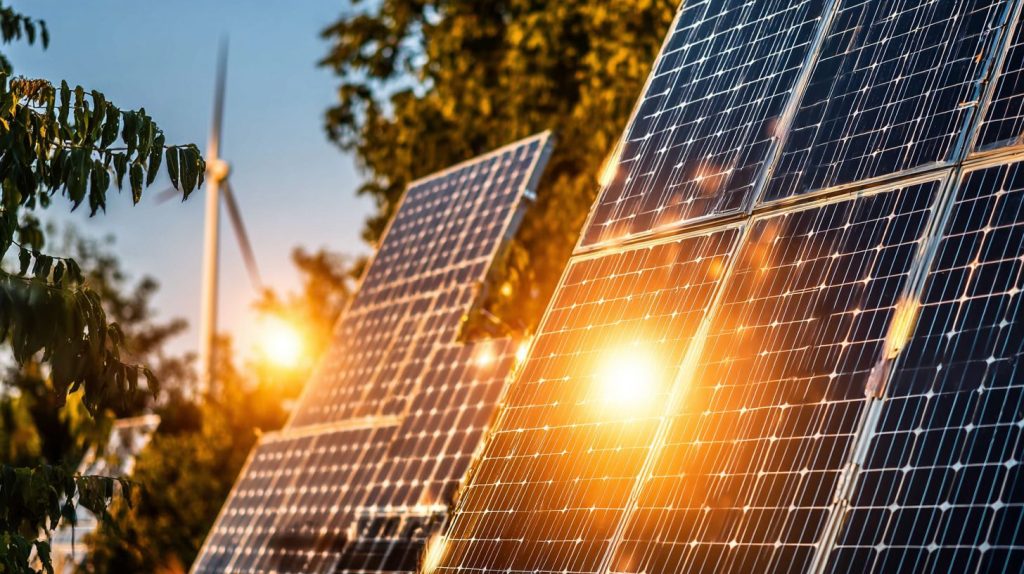
You’ve probably noticed more solar panels popping up on rooftops and in fields lately. That growing shift toward clean energy is directly tied to a massive surge in silver demand-and it’s not just about the panels themselves.
According to the International Energy Agency (IEA), global energy demand for solar power is skyrocketing. Let’s break down why this metal is so essential to the green energy boom.
Silver’s Unique Role in Solar Photovoltaics
Silver’s exceptional electrical conductivity makes it essential in solar panels, but its role is often misunderstood-let’s break down why it’s the go-to metal for photovoltaics. Beyond its status as a precious metal, silver possesses physical properties that no other material can replicate at scale.
Its unmatched ability to conduct electricity with minimal resistance is the cornerstone of modern solar cell design. In fact, silver paste is used to form the conductive grid on photovoltaic cells, and this application drives a significant portion of global silver consumption.
The same properties that make silver valuable in jewelry and bullion also make it a critical material for the energy transition. While investors often focus on silver prices and investment demand, the industrial demand for this metal is what truly drives its market fundamentals.
Solar power has emerged as the single largest industrial application for silver, surpassing traditional uses like photography and electronics. The solar industry now accounts for about 20% of total silver demand, according to the Silver Institute.
This dual identity, as both a financial asset and an industrial workhorse, creates a unique dynamic in the silver market. When clean energy policies expand and renewable targets rise, the demand for silver grows in tandem.
This connection between global energy policy and precious metal markets is reshaping how analysts view silver’s role in the modern economy. For example, the Biden administration’s climate initiatives and China’s massive solar installations are boosting silver demand, while geopolitical turmoil and central bank monetary policy add to silver price volatility.
Silver Demand and Supply Statistics
#ucvsl1eo.bar-container { position: relative; overflow: visible!important; } #ucvsl1eo.bar-value { position: absolute!important; left: 50%!important; top: 50%!important; transform: translate(-50%, -50%)!important; color: white!important; font-weight: 700!important; font-size: 14px!important; white-space: nowrap!important; background: rgba(0, 0, 0, 0.7)!important; padding: 4px 12px!important; border-radius: 20px!important; z-index: 30!important; text-shadow: 0 1px 2px rgba(0, 0, 0, 0.3)!important; pointer-events: none!important; display: inline-block!important; } #ucvsl1eo.animated-bar { z-index: 1!important; } @media (max-width: 768px) { #ucvsl1eo { padding: 16px!important; } #ucvsl1eo h2 { font-size: 24px!important; } #ucvsl1eo h4 { font-size: 16px!important; } #ucvsl1eo.bar-label { font-size: 12px!important; } #ucvsl1eo.metric-card { padding: 20px!important; } #ucvsl1eo.bar-value { font-size: 13px!important; padding: 3px 10px!important; } } @media (max-width: 480px) { #ucvsl1eo { padding: 12px!important; } #ucvsl1eo h2 { font-size: 20px!important; } #ucvsl1eo h4 { font-size: 14px!important; } #ucvsl1eo.bar-label { font-size: 11px!important; margin-bottom: 6px!important; } #ucvsl1eo.bar-value { font-size: 12px!important; padding: 2px 8px!important; min-width: 45px!important; text-align: center!important; } #ucvsl1eo.bar-container { height: 36px!important; overflow: visible!important; } }
Silver Demand and Supply Statistics
Explore the latest data on silver supply, demand, and its critical role in renewable energy, electric vehicles, and data centers.
Silver Supply and Demand: Photovoltaics Share of Total Silver Usage
Silver Supply and Demand: Automotive Silver Usage
Silver Supply and Demand: Silver Loadings per Solar Cell
Silver Supply and Demand: Silver Loadings per BEV
Silver Supply and Demand: Silver Loadings per ICE Vehicle
Silver Supply and Demand: Silver Loadings per Hybrid Vehicle
Silver Supply and Demand: Data Center Electricity Demand Share
Silver Supply and Demand: Data Center Electricity Consumption
Silver Supply and Demand: Silver Mine Supply Change
(function() { setTimeout(function() { var bars = document.querySelectorAll(‘[class*=”animated-bar-ucvsl1eo”]’); bars.forEach(function(bar) { var width = bar.getAttribute(‘data-width’); if (width) { bar.style.width = width + ‘%’; } }); }, 100); })();
Data compiled from The Silver Institute, Metals Focus, BloombergNEF, and the International Energy Agency (IEA). For more insights, see the World Silver Survey and reports from S&P Global, RBC Capital Markets, TD Securities, and the LBMA.
The Silver Demand and Supply Statistics reveal a significant shift in silver’s industrial applications, particularly in green technology and data infrastructure. The most striking trend is the photovoltaics share of total silver usage, which has nearly tripled from 5.0% in 2014 to 13.8% in 2023. This sharp increase underscores silver’s critical role in solar energy production, as it is a key component in photovoltaic cells due to its excellent electrical conductivity.
Automotive silver usage is also projected to rise from 80 million ounces currently to 90 million by 2025, driven by the growing adoption of electric vehicles (BEVs). The data on silver loadings per vehicle clarifies this demand: BEVs require 25 to 50 grams of silver, significantly more than the 15 to 28 grams used in internal combustion engine (ICE) vehicles. Hybrid vehicles fall in between, using 18 to 34 grams. This comparison highlights how the transition to electrification directly boosts silver consumption.
Interestingly, while total silver demand rises, the silver loadings per solar cell have dropped dramatically, from 521 milligrams in 2009 to just 111 milligrams currently. This efficiency improvement means manufacturers use less silver per cell, yet the massive scale of solar deployment still drives overall demand upward. These advancements highlight how technological innovations in silver usage are optimizing resource efficiency.
- Data center growth: Electricity demand from data centers is expected to grow from 1.2% of global consumption in 2022 to 4.1% by 2030, with absolute consumption jumping from 340 TWh to 1,400 TWh. This expansion relies heavily on silver for electronics and cooling systems, underscoring silver’s role in global electricity infrastructure.
- Supply constraints: Silver mine supply is projected to decline by 1% in both 2023 and 2024, tightening the market. With industrial demand rising and supply contracting, this imbalance could lead to higher silver prices. Silver mining companies are facing challenges in expanding output to meet demand.
The Silver Demand and Supply Statistics paint a picture of a metal increasingly vital to the global green transition and digital infrastructure. While efficiency gains reduce per-unit usage, the sheer scale of adoption in solar, EVs, and data centers ensures robust demand growth. Combined with declining mine output, these trends suggest a tight market that may favor investors and industrial users who secure supply early. Analysts at Metals Focus and S&P Global monitor these dynamics closely.
The Essential Conductive Layer in Solar Cells
In every solar cell, a fine grid of silver paste is printed onto the silicon wafer to collect and transport electrical current. This grid, composed of microscopic conductive fingers and larger busbars, captures the electricity generated by sunlight striking the silicon. Without this silver layer, the energy produced by photovoltaic cells would have no efficient path to reach the external circuit. Silver‘s role in critical materials is paramount for the energy transition.
Silver’s low resistivity outperforms alternatives like copper or aluminum for this specific application. While copper is also an excellent conductor, it requires thicker layers and can diffuse into silicon, degrading cell performance over time. The National Renewable Energy Laboratory (NREL) and the Department of Energy continue to fund research into reducing silver loadings without compromising efficiency, but the metal’s unique properties remain difficult to replace.
The application of silver paste is a highly precise process that directly impacts cell efficiency and durability. Manufacturers continually refine their printing techniques to use less silver while maintaining the delicate balance of conductivity and coverage. This ongoing innovation in energy efficiency is crucial for managing silver consumption as solar installations scale globally.
Silver Consumption per Solar Panel

The amount of silver in a single solar panel may seem small, but multiplied by millions of panels, it adds up to a significant share of global silver demand. Typical silver loadings range from roughly 10 to 20 grams per panel, depending on the cell technology and manufacturer. Newer cell architectures, such as TOPCon and HJT, may use slightly different amounts as they evolve. PV panels are a major driver of silver consumption in the solar sector.
Industry trackers like the World Silver Survey, BloombergNEF, and The Silver Institute closely monitor silver loadings per watt of solar capacity. These metrics help analysts forecast silver supply requirements against projected solar industry growth. Even small reductions in silver use per panel, when multiplied across the entire solar sector, can significantly shift the balance of global silver supply and demand.
The solar industry currently accounts for a substantial portion of total industrial applications for silver. As renewable energy capacity expands to meet renewable targets worldwide, the pressure on silver supply chains intensifies. This dynamic relationship between solar energy growth and silver consumption is a key reason why silver demand remains robust in the energy transition era. Silver recycling from end-of-life panels is still nascent, meaning most demand relies on new silver mining output. Mining companies are exploring new silver mines to address potential silver deficit.
Rising Global Solar Installation Targets
Countries and corporations are setting ambitious solar installation goals, and each new gigawatt of capacity requires tons of silver. This is because photovoltaic cells rely on silver paste to conduct electricity efficiently. The International Energy Agency (IEA) and RBC Capital Markets project that renewable energy will account for a growing share of global electricity in the coming decades, with solar power leading the charge.
The growth is not limited to one region. China solar deployment continues at a rapid pace, while the European Union and India have raised their renewable targets to reduce reliance on fossil fuels. Each of these markets adds pressure to the silver supply chain as they build out new infrastructure. The United States is also accelerating its solar adoption with support from the Biden administration.
Every gigawatt of new solar capacity translates into a measurable silver requirement, though the exact amount varies by technology. Thin-film panels use less silver than traditional crystalline silicon panels, but silver loadings remain significant across all types. As solar installations multiply worldwide, the cumulative effect on industrial applications becomes substantial. SHFE and Comex track silver futures to gauge market sentiment.
This surge in solar power directly fuels silver consumption in ways that other energy technologies do not. The metal’s unique electrical conductivity makes it difficult to replace in PV panels, despite ongoing research into alternatives. For investors and analysts watching silver prices, the trajectory of global solar deployment is now a critical factor in supply-demand forecasts. Silver production must keep pace to avoid a silver deficit.
Silver in Electric Vehicle Components
Beyond solar, the electric vehicle revolution is quietly boosting silver demand, as each EV contains significantly more silver than a conventional car. This shift adds a new layer of industrial demand to an already tight silver market. While solar panels remain the dominant driver, the EV sector is becoming a meaningful contributor to global silver consumption.
Internal combustion engine vehicles use roughly 15 to 28 grams of silver per car. Electric vehicles, by comparison, require substantially more due to their complex electrical architecture. The difference stems from the high-voltage systems, advanced battery management, and numerous sensors that EVs need to operate safely and efficiently.
Organizations like BloombergNEF and the International Energy Agency (IEA) track the accelerating adoption of electric vehicles worldwide. Their research suggests that EV market sales continue to climb each year, which directly correlates with rising silver loadings in the transportation sector. As automakers commit to electrification, the cumulative demand for silver from this industry grows steadily.
This trend matters because silver supply from mining operations is relatively inelastic. Silver demand from EVs adds pressure to an already strained supply chain. The energy transition, therefore, creates a dual demand story where both solar energy and electric vehicles compete for the same precious metal.
Electrical Contact Points in EV Batteries

Every EV battery relies on silver-coated contacts to ensure reliable electrical connections under high voltage and temperature stress. These contact points serve as the critical junctions where electrical current flows between battery cells, modules, and the vehicle’s power systems. The performance of these connections directly impacts battery efficiency, safety, and longevity.
Silver’s exceptional electrical conductivity makes it the material of choice for these applications. Copper and aluminum can carry current, but they oxidize more readily and create higher resistance over time. Silver’s corrosion resistance ensures that connections remain stable even when exposed to heat, vibration, and moisture inside the battery pack.
Battery busbars, which distribute power across cell groups, often feature silver plating or silver-based coatings. These components must handle repeated charge and discharge cycles without degrading. Any failure in these connections can lead to power loss, overheating, or even safety hazards, making silver’s reliability essential.
Alternatives exist, but they come with trade-offs. Silver-coated copper offers a balance of cost and performance, while pure silver components provide maximum conductivity for high-performance applications. Engineers continue to optimize silver usage, but the metal remains integral to battery design in the EV market. Silver bullion investors monitor these trends closely.
Silver Usage in Charging Infrastructure
Charging stations, from home units to fast chargers, depend on silver for efficient power transfer and durability. As the EV market expands, the need for reliable charging infrastructure grows in tandem. Every time a driver plugs in, the connector must establish a clean, low-resistance electrical path. Silver contacts ensure minimal energy loss during the charging process, which matters more as charging speeds increase.
Public charging stations face demanding conditions that require robust materials. These units experience frequent plug and unplug cycles, often dozens of times per day. Silver’s wear resistance and stable conductivity make it ideal for connectors that must survive hundreds of thousands of cycles without performance degradation. This silvers role is critical in maintaining the reliability of public charging networks.
The internal electronics of charging stations also rely on silver-based components. Switches, relays, and circuit breakers all use silver contacts to manage the high currents involved in fast charging. As charging standards evolve, from CCS to Tesla Supercharger systems, the fundamental need for reliable electrical contacts remains constant.
The growth of charging infrastructure directly tracks EV adoption rates. The United States and European Union are both investing heavily in expanding their charging networks. More electric vehicles on the road means more charging points are needed, and each new station adds to industrial silver demand. This creates a compounding effect where the EV boom drives silver consumption both in vehicles and in the ecosystem that supports them.
Wind Energy and Silver Demand
Wind turbines, whether onshore or offshore, rely on silver in their electrical systems to convert mechanical energy into electricity. According to the International Energy Agency (IEA), wind capacity is set to grow significantly in the coming decades. The precious metal appears in critical components such as slip rings, bearings, and electrical contacts. These parts must endure constant rotation, vibration, and temperature changes for decades of service life.
Silver’s exceptional electrical conductivity makes it the preferred choice for these high-stress applications. Slip rings transfer power and data signals between the stationary nacelle and the rotating blades. Without silver, these connections would overheat, corrode, or fail prematurely. The metal also provides a self-lubricating quality in certain bearing applications, reducing friction and wear.
Each turbine requires a specific amount of silver for maintenance-free operation. Data from BloombergNEF indicates that the cumulative silver demand from wind installations will rise steadily through 2030. This is not a trivial quantity when multiplied across thousands of installations worldwide. The International Energy Agency (IEA) projects continued growth in wind energy capacity, both onshore and offshore. As older turbines are repurposed or upgraded, they also contribute to ongoing silver consumption.
Wind power adds to the aggregate industrial demand for silver, though it remains smaller than the solar sector. Still, the cumulative effect matters. When combined with solar panels, electric vehicles, and data centers, wind energy reinforces the broader trend of rising silver consumption. This steady industrial demand supports silver prices over the long term, making the metal a critical material in the global energy transition.
Grid Modernization and Energy Storage
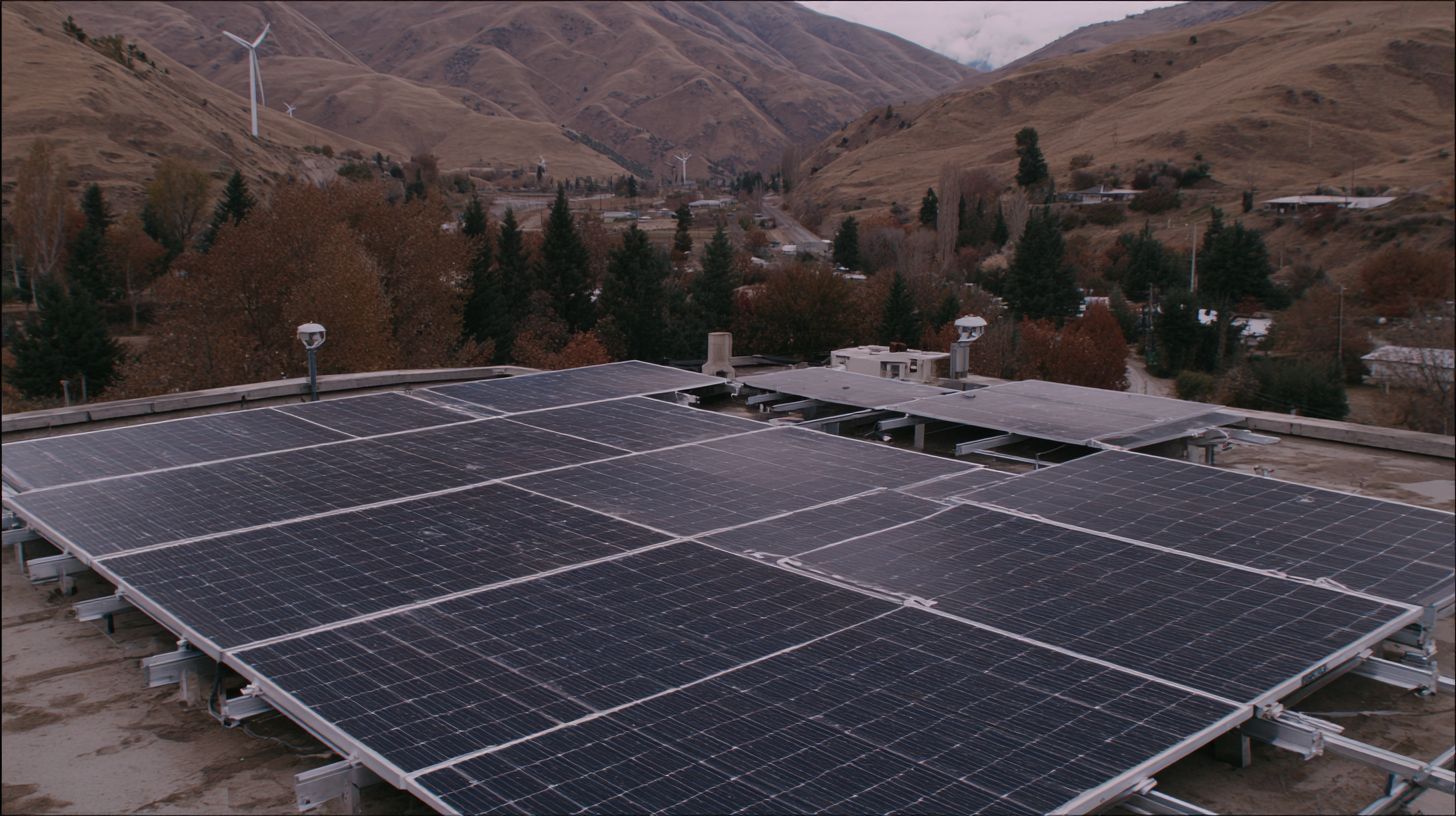
As renewable energy sources grow, aging grids and large-scale battery storage systems need silver for efficiency and reliability. The global energy transition is not just about generating clean power; it is also about moving that power where it is needed. This shift demands a massive overhaul of existing electrical infrastructure, and silver’s electrical conductivity makes it the material of choice for this transformation.
Grid upgrades involve new transformers, switches, and connectors, all using silver. The Department of Energy has funded several grid modernization projects that specifically specify silver contacts for high-voltage switching. These components rely on silver contacts to handle higher voltages and repeated switching without overheating or corroding. Without silver, the reliability of modern smart grids would diminish significantly. Utilities are replacing decades-old equipment to accommodate the variable output from solar and wind farms, which places additional stress on the network.
Battery storage systems, such as grid-scale lithium-ion installations, also depend on silver in their control electronics. The National Renewable Energy Laboratory has highlighted the importance of silver in ensuring the safety and efficiency of these systems. These systems smooth out the intermittent nature of solar power and wind energy by storing excess electricity for later use. The control circuitry and safety mechanisms within these batteries require precise, conductive metals to manage charge cycles safely. As more storage facilities are built, the industrial demand for silver in these energy technologies continues to grow.
Data centers play a surprising yet critical role in this equation by increasing overall electricity demand. The rapid expansion of cloud computing and artificial intelligence requires vast amounts of power, which pushes utilities to expand and harden their networks. This indirect pressure on the grid means more electrical components, more transformers, and more connections, all of which rely on silver’s unique properties. The result is a compounding effect where digital growth and clean energy goals both contribute to rising silver consumption.
Government Policies Driving Green Energy Adoption
Policy decisions, from the U.S. Inflation Reduction Act to the EU’s Green Deal, are accelerating the shift to clean energy, and with it, silver demand. The Biden administration has made clean energy a cornerstone of its economic agenda. These frameworks create long-term certainty for investors and manufacturers. That stability encourages massive capital flows into solar power, wind farms, and electric vehicle production.
The Biden administration has set ambitious climate goals aimed at decarbonizing the electricity grid. Federal agencies, including the Department of Energy, fund research and development in solar efficiency, often in collaboration with the National Renewable Energy Laboratory. This support helps push photovoltaic cells toward higher performance, which directly increases the silver loadings per panel in some designs.
Across the Atlantic, the EU’s renewable energy directives set binding targets for member states. These renewable targets force utilities to expand solar installations at a rapid pace. The policy momentum is not just about installing panels; it also drives investment in energy technologies that rely on silver’s unique properties.
China plays a pivotal role as the dominant force in solar manufacturing. China solar production accounts for the majority of global PV panel output, making it a key driver of silver demand. Its industrial policies support massive output of PV panels, which keeps global supply chains active. Because China solar production is so vast, its domestic policy shifts have an outsized effect on global silver consumption and the silver market overall.
These coordinated efforts across major economies signal a durable shift. The result is that industrial demand for silver is no longer cyclical; it is structural. Government mandates effectively guarantee a baseline level of consumption for years to come, making silver prices more sensitive to supply constraints than to speculative trading alone.
Supply Constraints and Future Outlook
Silver’s supply side is struggling to keep pace with soaring industrial demand, creating a structural deficit that could shape prices for years. The global silver market has faced persistent shortfalls, as documented in the Silver Institute’s World Silver Survey. The Silver Institute regularly publishes this annual report, which is widely cited by analysts. These annual reports, known as the World Silver Survey, consistently highlight a widening gap between what miners produce and what industries consume.
The core problem lies in silver mining economics. Much of the world’s silver is not mined as a primary product, but rather as a by-product of copper, lead, and zinc extraction. This means silver supply is largely dependent on the health of other metal markets, not on silver prices alone. Additionally, many existing mines face declining ore grades, meaning they must process more rock to extract the same amount of the precious metal.
Mine disruptions add another layer of pressure. Geopolitical turmoil in key producing regions, labor strikes, and operational setbacks can suddenly remove thousands of ounces from the market. These events force analysts to constantly revise their forecasts for silver production downward. Simultaneously, new mine development remains slow, often taking a decade or more from discovery to production.
Investors and traders closely monitor silver inventories on major exchanges like the LBMA, Comex, and SHFE. These stockpile levels are also tracked by financial media such as the Wall Street Journal and research firms like S&P Global. These stockpile levels serve as a barometer for market tightness. When visible inventories decline steadily, it signals that physical demand is outpacing available supply, which often supports higher silver prices. Analysts watch these vault reports weekly for clues about future price direction.
Silver recycling plays a vital but limited role in bridging the gap. Recycled silver from jewelry, industrial scrap, and old electronics provides a supplementary source of supply. However, recycling rates are heavily influenced by price levels. When prices fall, recycling activity tends to drop, making it an unreliable solution to the structural deficit.
Monetary policy and central bank decisions also influence the silver market. Analysts at TD Securities and RBC Capital Markets often note that interest rate expectations can drive short-term silver price movements. Lower interest rates typically reduce the opportunity cost of holding non-yielding assets like silver bullion, boosting investment demand. Conversely, tighter monetary policy can strengthen the dollar and weigh on precious metals. These macro forces often create volatility that overshadows the physical supply-demand balance in the short term. Metals Focus, a leading research consultancy, also tracks these dynamics closely.
Looking ahead, the energy transition will continue to drive silver consumption in PV panels, electric vehicles, and other energy technologies. Companies like Boab Metals are exploring new silver sources to meet this demand. Technological innovations aimed at reducing silver loadings in photovoltaic cells may help mitigate demand growth. Researchers are exploring alternative materials and thinner application methods, but these solutions are not yet ready for mass deployment. India, with its ambitious renewable energy targets, is also expected to become a major consumer of silver for solar applications.
The solar industry remains the dominant force behind industrial demand, and China solar installations continue to break records. Even with efficiency gains, the sheer scale of renewable targets globally suggests silver demand will remain robust. Data centers and the broader push for global electricity from clean sources add further support to the long-term outlook. According to BloombergNEF, the EV market is also a growing consumer of silver, and the Biden administration has supported clean energy policies. The International Energy Agency (IEA) projects continued growth in renewable capacity, which will sustain demand. Metals Focus and The Silver Institute both highlight the persistent deficit in their World Silver Survey.
In conclusion, the silver supply chain faces structural challenges that are unlikely to resolve quickly. While mining companies are investing in new projects, the timeline for bringing significant new supply online is lengthy. The silver deficit appears poised to persist, making the metal a critical material for the clean energy revolution. Silver’s role in this transformation is secure, even as researchers work to reduce its usage per unit of energy produced. The National Renewable Energy Laboratory and the Department of Energy are among those researching efficiency improvements. In the United States, the Wall Street Journal has reported on supply concerns, while S&P Global and RBC Capital Markets provide market analysis. TD Securities notes that Comex and SHFE inventories are declining. The LBMA also tracks the market. Major producers like Boab Metals are developing new projects, and demand from the European Union and India remains strong.